Did You Know Jeju Has a Mongol-Style Stone Pagoda? The Story of Bultapsa's Five-Story Pagoda
still quietly guarding its temple site
When people visit Jeju, most head straight for the oreum, black pork, and turquoise sea — and surprisingly few make time for the quiet, centuries-old temple sites tucked in between. In Samyang-dong, Jeju City, at the foot of a low volcanic cone called Wondangbong, sits a small temple named Bultapsa. Its very name means "the temple with the pagoda," and inside its grounds stands a five-story stone pagoda said to have been built sometime between the late Goryeo period and the era when the Yuan dynasty held sway over Goryeo affairs. At a glance it might look like just another small, unassuming stone pagoda, but it's said to carry traces of Mongol influence rarely found anywhere else in Jeju. It's not a place that draws crowds like Jeju's famous attractions, which makes it all the more worth taking your time with. Today GYULI wants to carefully, and slowly, walk you through the story of Bultapsa and its five-story pagoda.
Bultapsa, Quietly Resting at the Foot of Wondangbong in Samyang-dong
Bultapsa is said to sit at the foot of Wondangbong, a small volcanic cone in Samyang-dong, Jeju City. Wondangbong is said to be one of the many low oreum formed by volcanic activity, and at one edge of its foot, there's said to have long stood a temple site called Wondangsaji. Bultapsa is said to be the temple carrying on that lineage. Visit today and you won't find a large or ornately painted temple — it's a modest, quiet little temple instead. It's a world apart from the famous spots where tour buses line up, so first-time visitors might find themselves looking around wondering if they're in the right place. But once you know that a thread of Jeju's history lies hidden within that quiet, this small temple starts to look a little different. Samyang-dong itself is better known for Samyang Beach, so plenty of people pass right by without ever realizing this temple site sits quietly nearby.
A Five-Story Pagoda Said to Carry Traces of the Mongols, from the Late Goryeo Period
A five-story stone pagoda still stands within Bultapsa's grounds today. Fittingly for a volcanic island, it's said to have been carved from basalt, but look closely and you'll notice it looks quite different from the stone pagodas found elsewhere in Korea. Its distinctive shape, narrowing as it rises, is said to resemble the pagoda style of Tibetan Buddhism carried over through the Mongols — which is why it's often introduced as a rare Mongol-style stone pagoda in Jeju. I'd rather not state the exact year it was built here. But the broader story — that it's said to have been built sometime between the late Goryeo period and the era of Mongol interference, when Mongol influence reached all the way across the sea to corners of Jeju — is passed down through various records. When you think that even stacking a single stone carried the winds of that era, this small pagoda starts to feel far from ordinary.

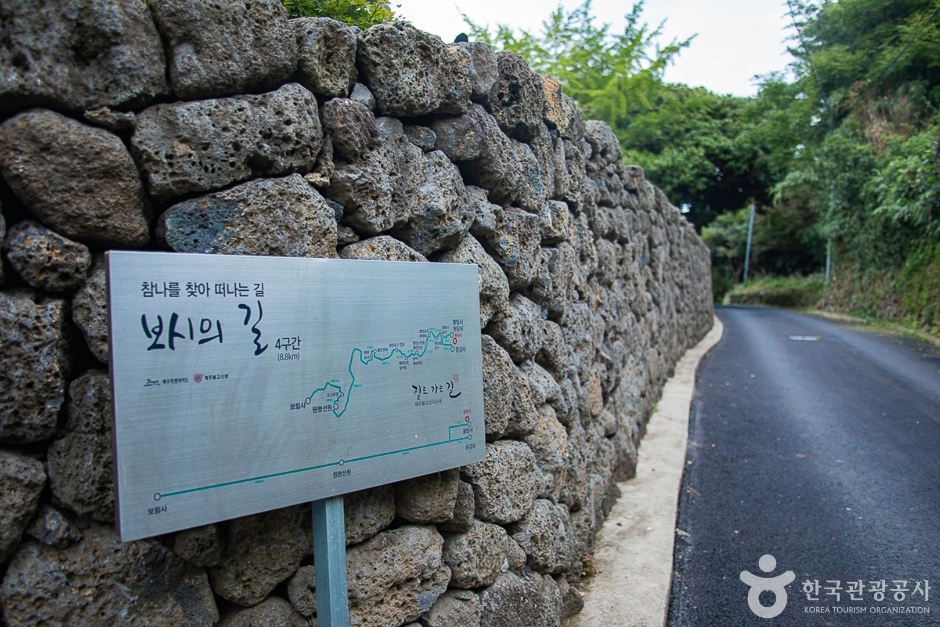


There's also a story about this pagoda that's been passed down by word of mouth for a long time. It's a legend that the Yuan imperial court, hoping to have an heir, sent people all the way here to have the pagoda built. I want to say up front that this isn't something historically confirmed so much as a story handed down over a long time. Still, the fact that this story continues to be told feels like evidence, to me, that this small pagoda carries an especially unusual tale. It always strikes me as remarkable that the shadow of a power as vast as the Mongol empire reached across the sea to Jeju, and still lingers today in the stones themselves. I think that's part of what makes Jeju's history so compelling — traces of an era surviving not in some grand war or ruin, but in a small pagoda like this.
It amazes me that a pagoda said to carry a story reaching all the way to the Mongols still stands in a temple site this quiet.
— 🍊 GYULIA Pagoda Known as a National Treasure, Now a Quiet Temple Site
This five-story pagoda is now known as a national treasure. Rather than state its exact designation number here, I'd rather say carefully that it's "known to be a treasure." What matters more than the exact number, I think, is that this small pagoda has been recognized as heritage worth protecting. It's not a temple that draws attention with vivid dancheong paintwork or grand scale, but the weight of time held within it is anything but light — the pagoda seems to say so quietly, on its own. Pass through as a tourist and it might look like just an old stone pagoda, but once you know the time and story behind it, you'll find yourself slowing down without meaning to.
It would be a shame to visit Jeju and only see the oreum, the sea, and black pork — this island holds far too many different stories for that. If your travel route takes you toward Samyang-dong, GYULI recommends stopping by Bultapsa at the foot of Wondangbong, even briefly, and standing in front of the five-story pagoda. Rather than a single flashy photo, I hope it becomes a quiet moment to think back on the old story that's said to reach all the way to the Mongols.
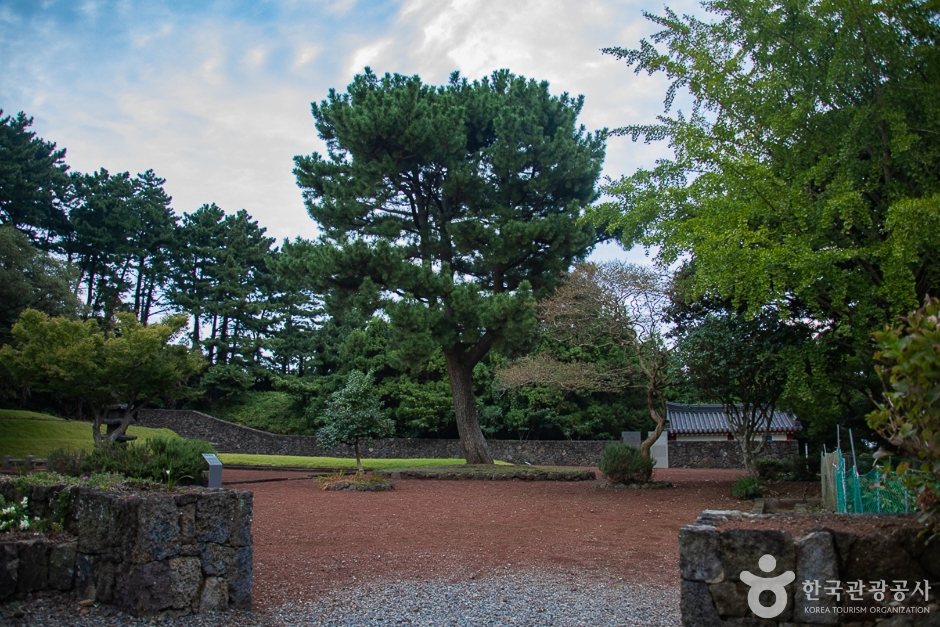


GYULI's Tip · Bultapsa is in Samyang-dong, Jeju City, and is said to be more convenient to reach by car than by public transit. The grounds aren't large, so a visit won't take long — pairing it with a walk at nearby Samyang Beach or around Wondangbong is a good way to spend the day.