Didn't Know the Story Behind the Citrus Tree? Head to the Hyodong-dong Citrus Museum and It's All There
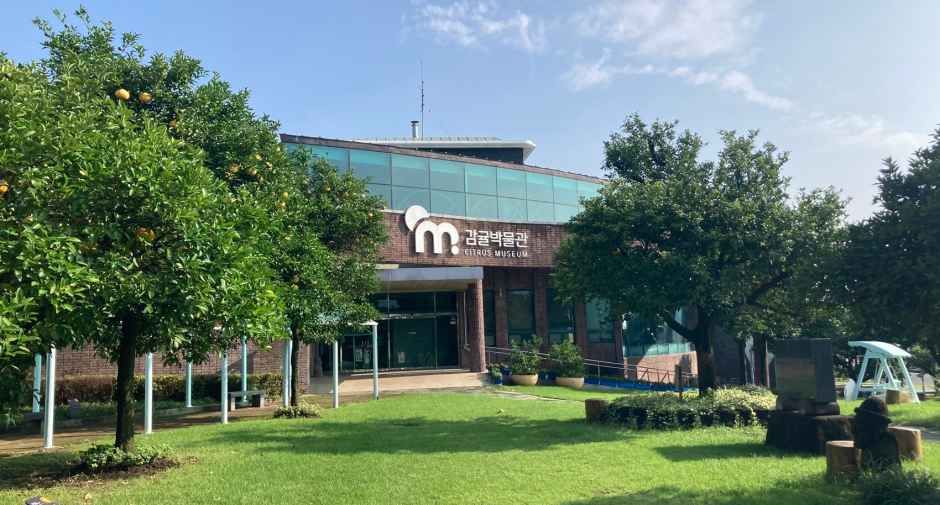
Mention Jeju, and citrus is probably the first thing that comes to mind for a lot of people — but how citrus actually came to take root on Jeju is something many people don't know much about. The Citrus Museum, known to be located in Hyodong-dong, Seogwipo, is said to be a place that introduces this story of Jeju's citrus cultivation. Exactly when it opened, how large the exhibits are, or what the admission fee costs — those are details I'd rather be careful about instead of stating flatly. Still, I want to share as much as I can about how it's been introduced and talked about around here for a long time. If you've only ever peeled and eaten the fruit without wondering what story the tree itself carries, today's story might be a good place to start.
The Hyodong-dong Citrus Museum Is Said to Introduce the History of Jeju's Citrus Cultivation
Just as the name suggests, the Citrus Museum is said to be a space where you can look into how citrus has been grown on Jeju. Exactly when citrus trees first took root on the island, or which varieties arrived when — those specific years and figures are something I'd rather stay careful about. Still, the idea that Jeju's soil and climate happen to suit citrus cultivation especially well, and that this history of cultivation goes back quite a long way, is said to have been passed down steadily in this area. Inside the museum, various exhibits and materials related to citrus are said to be on display, so if you've only ever known tangerines as fruit, there's likely a lot here that will feel new.
The location, known to be Hyodong-dong in Seogwipo, is also worth noting. Hyodong-dong is said to be a neighborhood whose name comes up often for its active citrus cultivation even within Seogwipo, and citrus orchards are said to spread out widely around the museum itself. That's why, instead of just visiting the museum and heading back, many people are said to take in the surrounding orchard scenery as well. Of course, it's safer to double-check the exact location and route before you go, but if you've already got plans around Seogwipo, it's worth remembering there's a place like this nearby.
Even peeling a single tangerine started to feel different. I never knew there was a story like this inside it.
— 🍊 GYULIIt's Not Just the Museum — Picking Tangerines Yourself Is Said to Be Part of the Experience Too
Around Hyodong-dong and elsewhere in Seogwipo, there are said to be experience farms you can stop by along with a museum visit. Picking tangerines straight from the tree and tasting them on the spot is said to leave a strong impression on a lot of people, but exactly which farm is most well known or what programs they run can vary by season and location, so I'd rather not single one out here. Still, searching around the Citrus Museum area is said to turn up several places running this kind of experience, so it's worth looking into ahead of your visit.
The season most often mentioned for tangerine-picking experiences is said to be fall into winter. This lines up with the time citrus ripens to a bright yellow, and experience farms are said to hit their busiest season around then too — though it's also said that harvest timing shifts slightly depending on the variety, even among citrus fruits. So it might be worth adjusting your visit slightly depending on which variety you're hoping to pick. Families visiting with kids are said to time their trips around this season especially often.
A Few Things Worth Knowing Before You Go
Since the Citrus Museum is said to have both indoor and outdoor exhibit spaces, comfortable shoes are a good idea. If you're planning to visit an experience farm as well, wearing clothes you don't mind getting a bit of citrus juice on is also worth considering. Details like the exact admission fee, operating hours, or whether experience programs need reservations can shift depending on the season, so I'd rather not state them flatly here. It's worth checking the latest information once more before you go.
Also, during fall and winter when citrus is in season, both the museum and the experience farms are said to get fairly crowded, so it helps to give yourself plenty of time. If you're curious about the story behind citrus, it might work well to visit the museum first and then head to an experience farm to pick tangerines yourself. Seeing both together is likely to make this one fruit feel a lot more interesting.

GYULI's Tip · If you're heading out for a tangerine-picking experience, it's said to be a good idea to check ahead whether reservations are needed. Since harvest timing varies by variety, it's worth planning your visit around whichever kind of tangerine you're hoping for.
If you've only ever thought of tangerines as just fruit, I hope today's story shifted that a little. I can't wrap everything up in exact numbers, but I can say with confidence that the Hyodong-dong Citrus Museum keeps being introduced as a place that has long carried the story of Jeju's citrus cultivation. If you've got a trip planned around Seogwipo, why not slip the Citrus Museum and a tangerine-picking experience into the itinerary this time?