Think Seafood Ramen Is Just Ramen? Think Again
a ladle of abalone
Drive along Jeju's coastal roads and you'll notice one name popping up again and again on the menu boards of restaurants big and small, haemul-ramen, or seafood ramen. It looks like an ordinary bowl of ramen at first glance, but lift the lid and you'll find octopus, abalone, and all kinds of seafood packed into the pot, enough to surprise you before you even take the first spoonful. Plenty of travelers say they wondered why they'd bother eating ramen all the way in Jeju, only to change their mind after one bowl. Today we're breaking down what exactly seafood ramen is, and why it's become such a beloved dish among travelers along Jeju's coast.
A Coastal Road Specialty, Seafood Ramen
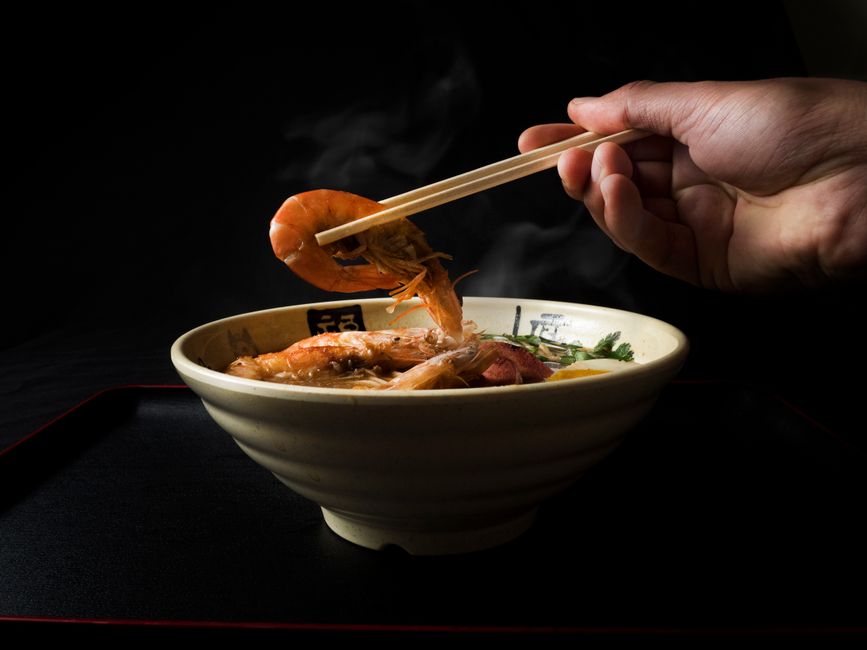
As the name suggests, seafood ramen is ramen simmered with a generous helping of seafood. It's commonly found at restaurants lining Jeju's coastal roads, and since these spots sit right by the sea, they're said to often use whatever fresh seafood comes in that day as the base for the broth. Ramen is usually thought of as a quick, casual meal, but seafood ramen doesn't quite fit that image. Just the sheer amount of seafood piled into the pot is enough to make people wonder if this is really still ramen, that's a common reaction. In Jeju, seafood ramen seems to be treated less like a simple snack and more like a specialty dish in its own right.
The biggest reason seafood ramen feels special is said to come down to the type and amount of seafood packed in. Octopus is often cut into large pieces and left whole, and abalone is commonly served still in its shell. Add shrimp, clams, or mussels on top of that, and the broth turns out richer and deeper, some travelers are even said to seek out seafood ramen specifically for that broth. With the savory kick of spicy ramen layered under the clean sweetness of seafood, finishing a bowl reportedly leaves people not just full, but satisfied in a way that feels like more than just ramen.
Call it ramen all you want, once the octopus and abalone go in, it stops being just ramen.
— 🍊 GYULIWhole Octopus, Whole Abalone, a Hearty Bowl
What tends to surprise first-timers most is just how generously the octopus and abalone are piled in. Compared to seafood ramen elsewhere, the Jeju version is said to be known for going noticeably heavier on the seafood. The octopus is boiled tender and cut into large, chewy pieces, while the abalone, already cleaned, is said to add a subtle depth to the broth. With seafood turning up in nearly every bite between the noodles, finishing the bowl is said to feel less like eating ramen and more like polishing off a whole pot of seafood stew.
Price-wise, seafood ramen is also known among travelers as a generous deal. Given how much seafood goes in, you might expect it to come with a hefty price tag, but it's actually said to be available at a fairly affordable price at many spots. That value is one reason seafood ramen keeps getting recommended to travelers who want to taste Jeju's sea without blowing their travel budget. That said, prices can vary a bit by restaurant and by season depending on seafood costs, so it's worth glancing at the menu before you order.
From Hyeopjae to Jungmun, a Coastal Traveler's Food Culture
Seafood ramen isn't something you can only find in one spot in Jeju, it's said to turn up widely around well-known coastal areas like Hyeopjae and Jungmun. It's especially common at restaurants near beaches with that emerald-colored sea, or along coastal roads famous for scenic drives. Plenty of travelers say that stopping into a nearby restaurant for a bowl of seafood ramen after taking in the coastline has become a familiar part of a Jeju trip. That moment of sipping hot broth while listening to waves outside the window is arguably what makes seafood ramen feel even more special.
Some also point to Jeju's geography as a reason so many coastal spots ended up serving seafood ramen. Being an island surrounded by sea on all sides makes it relatively easy to get fresh seafood, and that lets restaurants work whatever comes in that day straight into the broth. On top of that, pairing something as familiar and unpretentious as ramen with Jeju's seafood is said to have made it a dish anyone, traveler or local, can enjoy without much fuss. That's also cited as a reason it's a favorite for people who want a real taste of Jeju's sea without sitting through a full course meal.
Maybe that's why seafood ramen is seen by some as its own kind of Jeju travel food culture. Rather than hunting down one specific famous restaurant, plenty of travelers are said to simply pull into whichever spot along the coastal road catches their eye and order a bowl. As trust builds that pretty much any restaurant will serve up a satisfying bowl, seafood ramen is described less as a destination dish and more as a flexible pick based on mood and route. That easygoing quality is cited as one reason it's stayed a favorite for so long.

GYULI's Tip · Seafood ramen's spicy broth can splash since it's loaded with seafood, so take care with hot splatters. Picking apart the abalone and octopus takes a bit of time, so it's best enjoyed without rushing. Seafood mix and portion can vary by restaurant, so it doesn't hurt to ask what's included before you order.