The Earthen Wall That Held Out Against the Mongols — Hangpaduri, Jeju
now a quiet open field
When history comes up in Jeju, most people think of the Jeju April 3rd Incident first. But did you know Jeju's history reaches much further back, all the way to the Goryeo period? The Hangpaduri Anti-Mongol Fortress Site in Aewol-eup, Jeju City, holds exactly that story. It's said to be the earthen fortress that Sambyeolcho, resisting the Mongols to the very end, made their last stronghold in the late Goryeo period. I want to be clear up front: this is a completely different era and a completely different story from the April 3rd Peace Park. Today GYULI wants to carefully walk you through Hangpaduri and the story of resistance held within its earthen walls.
Sambyeolcho, Crossing the Sea to Jeju to Face the Mongols
Sambyeolcho is said to have been a military force that existed in the late Goryeo period. While the Mongols were invading Goryeo and the royal court eventually chose to seek peace with them, Sambyeolcho is said to have refused to follow that path and kept up their resistance to the end. They first based themselves on Jindo Island, and when that became untenable, they're said to have crossed the sea to Jeju to set up their final stronghold — a part of the story that always leaves me a little unsettled. What did it mean for people of that era to keep fighting even after the royal court had already chosen to surrender? I'd rather not state the exact years or details of any particular battle here. But the broader story — that this was the late Goryeo period, and this was the last resistance against the Mongols — is what's passed down through various records.
An Earthen Fortress Built by Hand, Hangpaduri
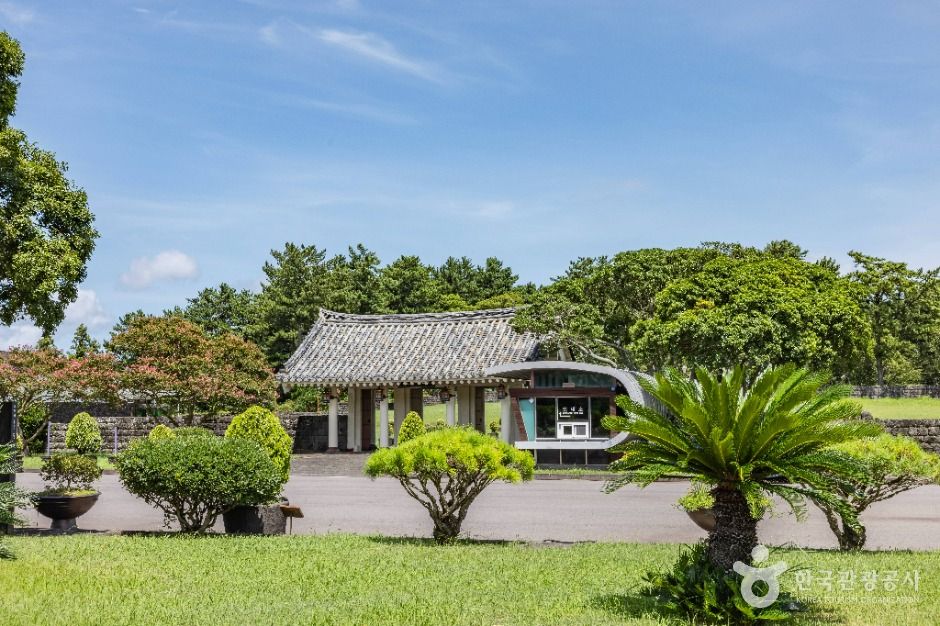
The name Hangpaduri is said to come from the earthen fortress — a wall built up from packed earth, not stone — that Sambyeolcho constructed here. I find it striking that it was earth, not stone. It's maintained now as a heritage and tourist site, but when I imagine the hands and time it took to build up this earthen wall, it feels like far more than just a defensive structure. Every handful of that earth must have carried the will to hold out until the very end. Today, the Hangpaduri Anti-Mongol Fortress Site is said to preserve traces of that fortress alongside memorial facilities built to honor it. Aewol-eup itself is known as a relatively quiet part of Jeju, which makes it feel like an odd but fitting contrast that such weighty history sits quietly there.
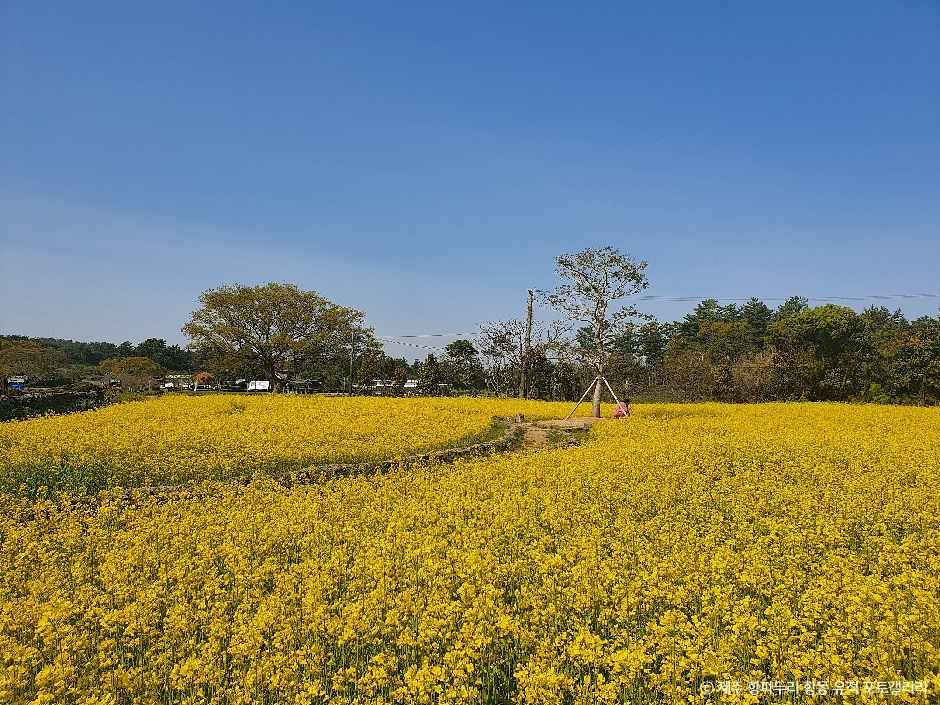


When you think about what feelings lie beneath this earthen wall, you can't just walk past it.
— 🍊 GYULIA Completely Different Era From the April 3rd Peace Park
This is the part I was most careful about while writing this piece. Many people naturally think of the April 3rd Incident first when Jeju history comes up, but I want to say clearly once more: the Hangpaduri Anti-Mongol Fortress Site belongs to a completely different era and a completely different event. If the April 3rd Incident is a painful history from the mid-20th century, Hangpaduri belongs to a far earlier era, the Goryeo period, and a completely different context — resistance against the Mongols. Different era, different background, different character of what's been left behind. It strikes me freshly every time — that one island like Jeju holds so many layered eras of history stacked one on top of another. It's just one stop on a trip, but knowing that each stop holds a story from a different time might make the whole trip feel a little deeper.
A Quiet Field Now, a Last Stronghold Then
Visit Hangpaduri today and you'll find not flashy attractions but a wide open field, traces of the old earthen fortress, and a quiet memorial space. First-time visitors might even find it plain. But once you know that this was once the last stronghold of people trying to hold out against a massive Mongol force, that quietness starts to feel entirely different. I'd recommend walking slowly through a place like this, sparing your words. Rather than a single flashy photo, I hope it becomes a moment to consider, even briefly, the hearts of the people who once stood here.
It would be a shame to visit Jeju and only see the oreum and the sea — this island holds far too many layers of history for that. Hangpaduri isn't flashy, but I think it's a place that tells its old story with quiet honesty. If your travel route takes you toward Aewol-eup, GYULI carefully recommends stopping by, even briefly, to walk between its earthen walls.

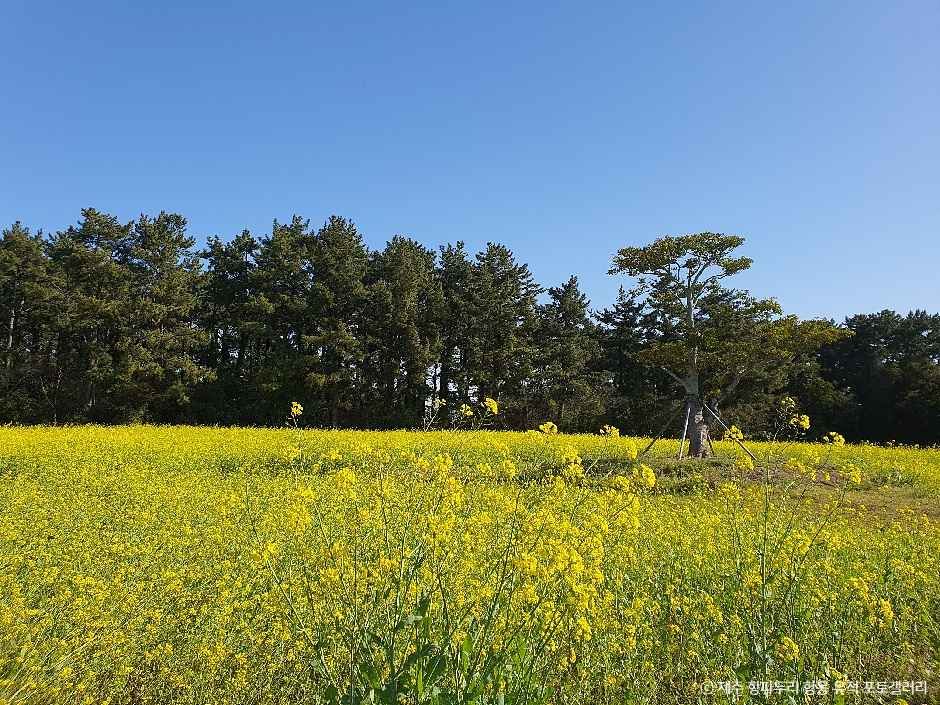
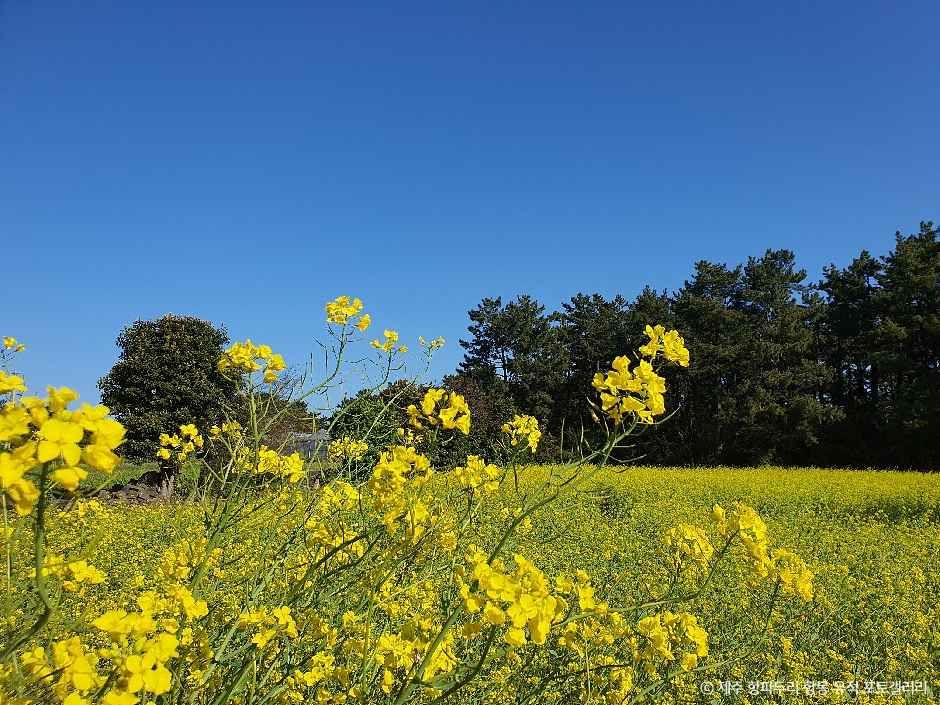
GYULI's Tip · The Hangpaduri Anti-Mongol Fortress Site is in Aewol-eup, Jeju City, and is said to be more convenient to reach by car than by public transit. Most of the walking course runs across an open field with little shade, so if you're visiting in midsummer, bring a hat or parasol to block the sun.