GYULI Says Ahopgut's Name Hides Nine Good Things Inside It
and nine good things at once
Today GYULI would like to introduce Nakcheon-ri Ahopgut Village, located in Hangyeong-myeon, Jeju City. If you're walking Olle Trail Course 13, you're said to come across this village around the midpoint of the route. The name itself makes you curious right away — 'Ahopgut,' what could that even mean? So today, let's slowly unpack the story behind that name first.
The Name 'Ahopgut' Is Said to Carry Two Meanings at Once
The name Ahopgut is said to hold two interesting meanings layered together. One is that this village once had nine springs (gut), which is said to be rare in Jeju. The other is that it's a joyful village said to share nine good things with the visitors who come here. It's already surprising enough that a village on Jeju, where water is precious, once had nine springs — but layering on the meaning of 'nine good things' as well means this one village name carries so much story within it, which GYULI found genuinely delightful.
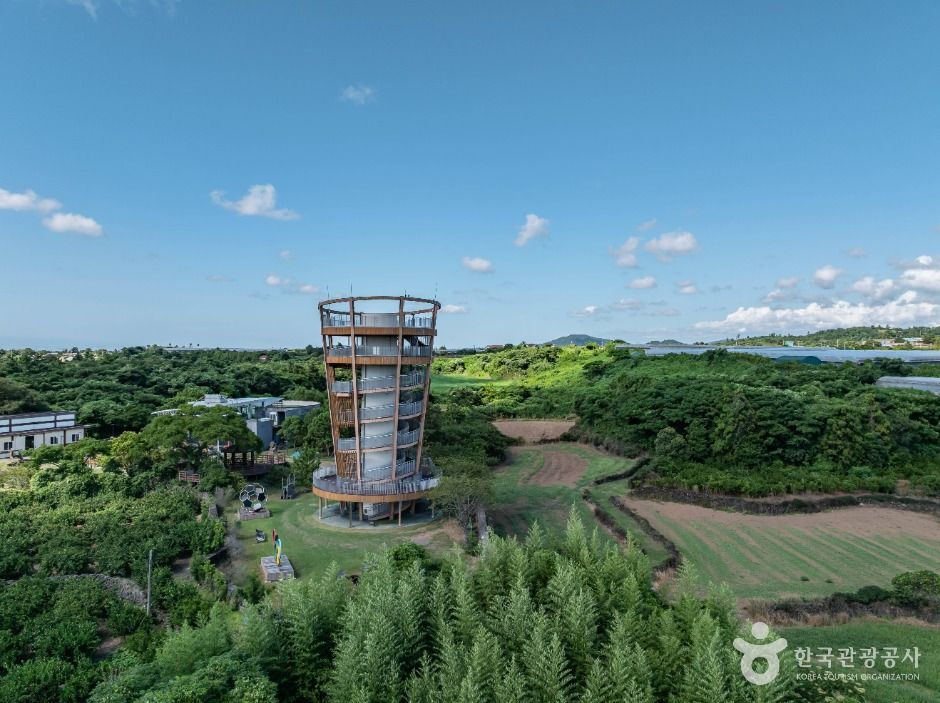
This village is said to be known for its fertile soil and tasty field crops. In particular, its barley is said to be famous for its flavor, and healthy produce grown with groundwater drawn from 100m underground — barley, tomatoes, paprika, broccoli — is said to represent this village. Thanks to its blessed natural scenery, it's also said that one of the '10 Scenic Views of North Jeju' can be seen here, so it's a village with things to enjoy for both the eyes and the palate.
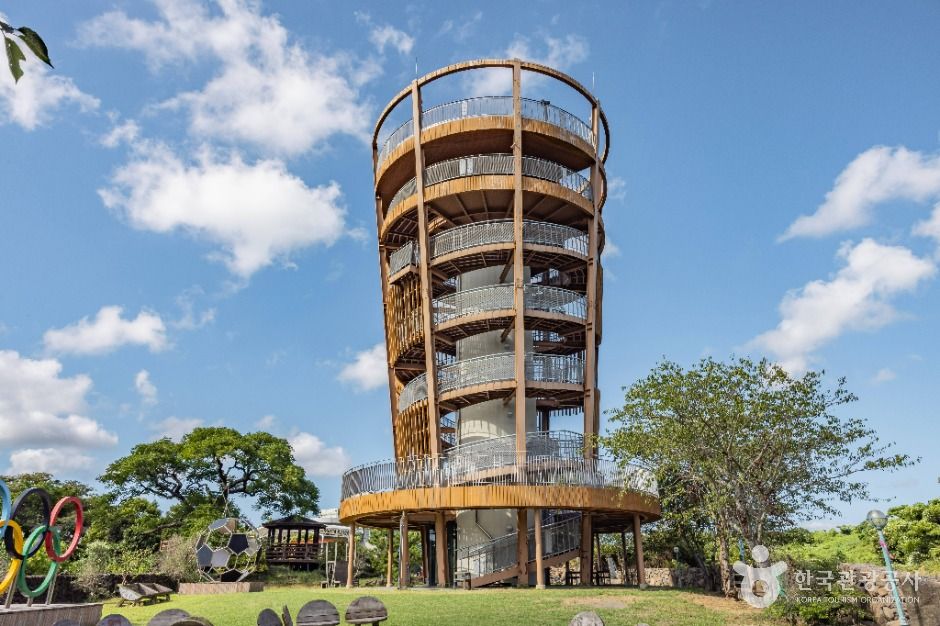
Nine springs, so it's called Ahopgut — nine good things, so it's also called Ahopgut. A place where one name carries two meanings layered together like this doesn't seem all that common. I found myself warming up to it just from the name.
— 🍊 GYULIIt's Said to Be a Traditional Rural Cultural Village With Things to Experience
Ahopgut Village is said to be more than just a place you pass through and look at — it's known as a traditional rural cultural village with various experience activities on offer. Programs are said to exist for experiencing the village's own rural culture, built around the field crops grown in its fertile soil. Exactly which activities are running at any given moment can vary by season or circumstance, so I'd rather not pin down each one definitively here. Still, GYULI thinks it's plenty good as a place to pause while walking the Olle trail and take in the village's own particular atmosphere.
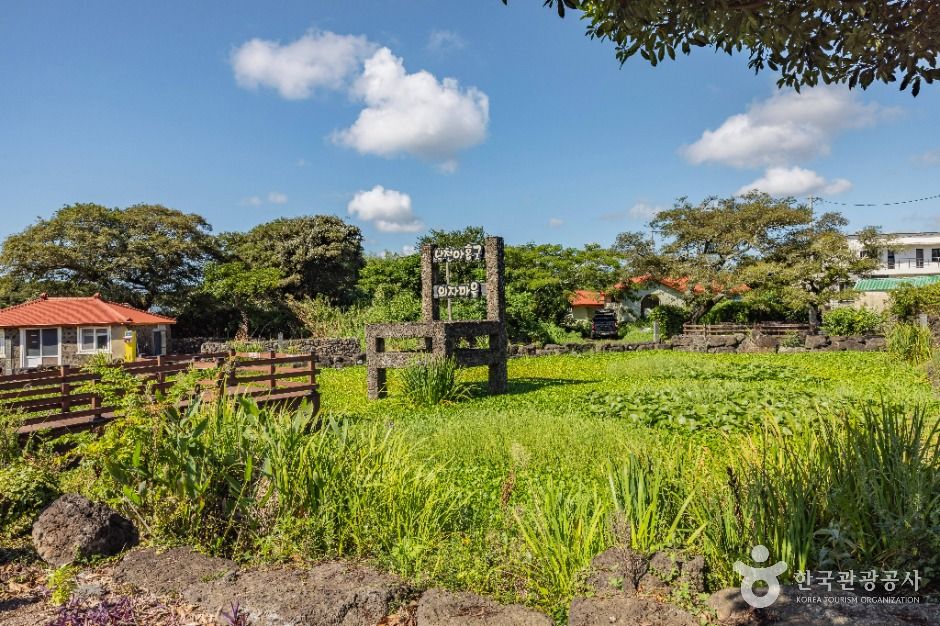
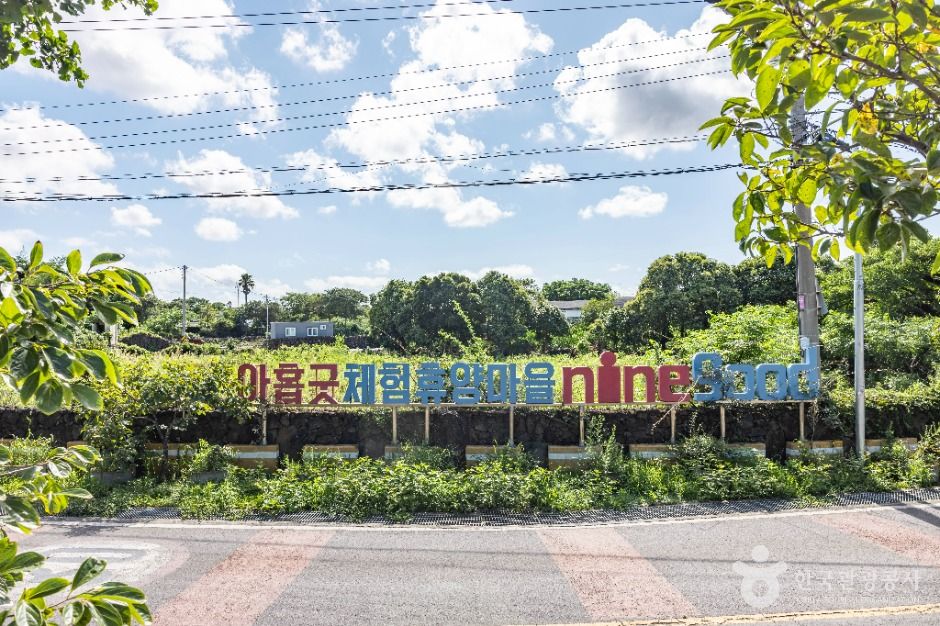
A Few Things Worth Knowing Before You Visit
Ahopgut Village is located at 97 Naksu-ro, Hangyeong-myeon, Jeju City, Jeju Special Self-Governing Province, and its operating hours are said to be from 9 a.m. to 5 p.m. It's said to be closed every Saturday and Sunday, so this is worth remembering — planning your visit on a weekday is recommended. If you're walking Olle Trail Course 13, you're said to naturally come across this village around the midpoint of the route, so it could make for a nice stop along the way.
Nine springs, and nine good things shared with visitors — Ahopgut Village turned out to be a place that carries two stories within a single name. If you're planning to walk the Olle trail toward Hangyeong-myeon, pausing for a moment to see this village's name live up to itself in person could make for a good memory.
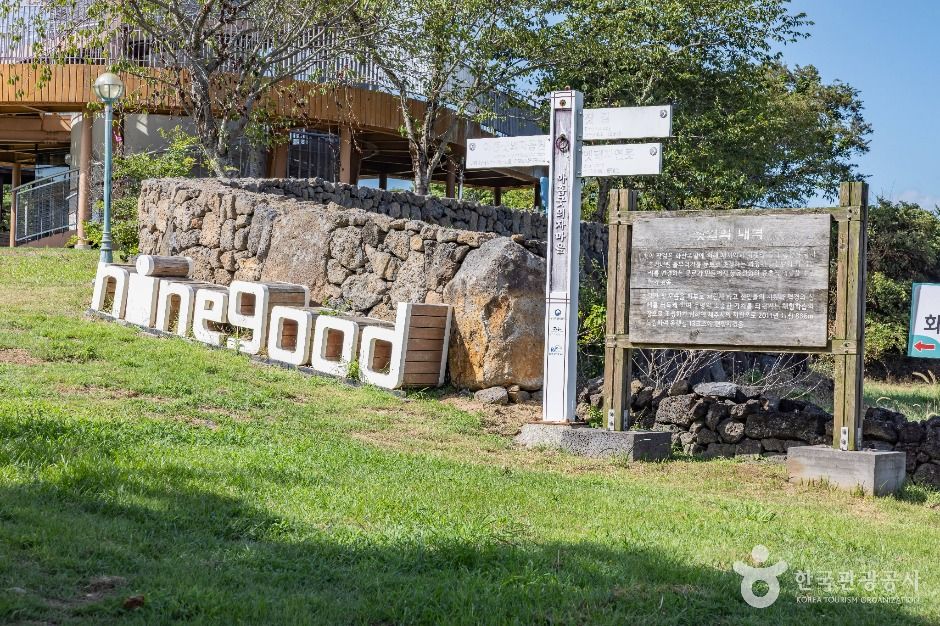
GYULI's Tip · Operating hours are said to be 9 a.m.–5 p.m., closed every Saturday and Sunday. If you're planning to walk the Olle trail on a weekend, the village experience programs may not be available, so a weekday visit is recommended. It's also worth checking the latest information before you go.