Seobok Sailed All the Way Here Chasing the Elixir of Immortality — the Legend Still Found in Seogwipo
its legend is said to remain in Seogwipo today
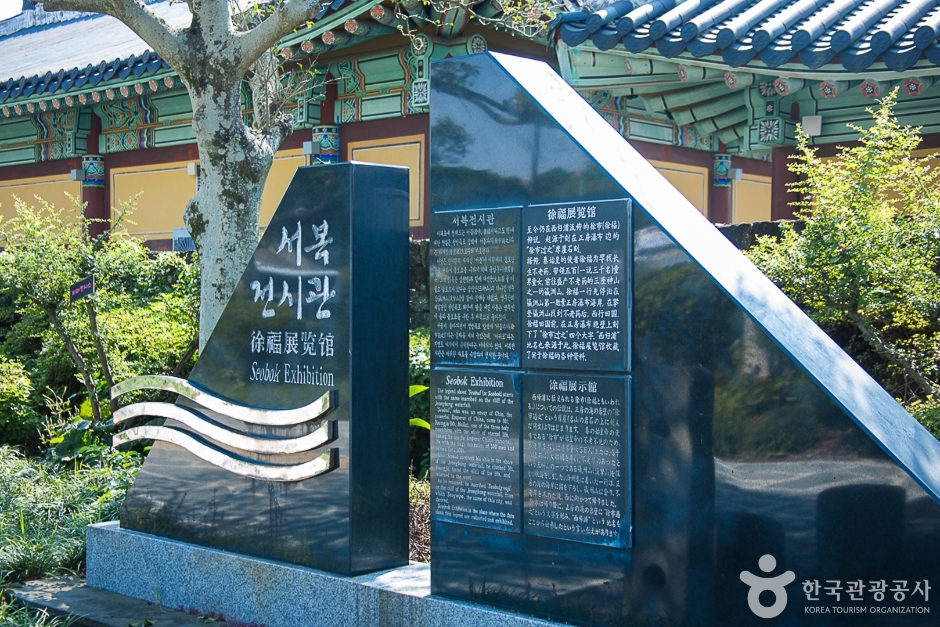
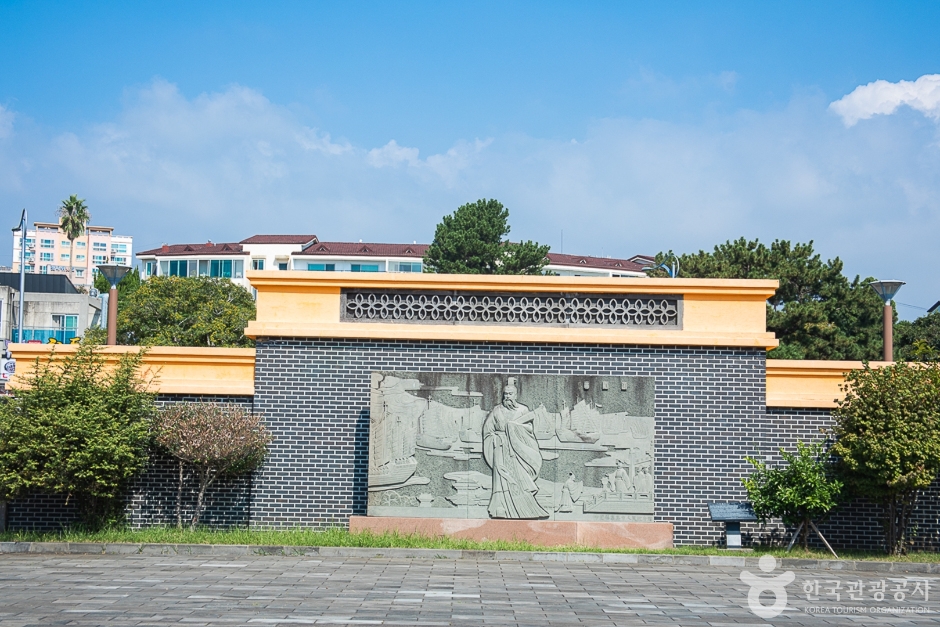
Today GYULI would like to introduce a special exhibition hall in Seogwipo. It's called 'Seobok Exhibition Hall,' and while the name might sound unfamiliar at first, this exhibition hall is actually tied to a very old legend — the story of Qin Shi Huang of China's Qin dynasty and his quest for immortality. Located on Chilsimni-ro in Seogwipo, this place is said to have been built to honor a figure named Seobok, who is said to have sailed to Jeju in search of the elixir of immortality in order to fulfill Qin Shi Huang's dream of eternal life. It's a legend, but it's said to be tied inseparably to Jeju, and to Seogwipo in particular, so today let's take a slow look at that story together with GYULI.
The Elixir of Immortality Qin Shi Huang Searched For — and Seobok, Who Was Sent to Find It
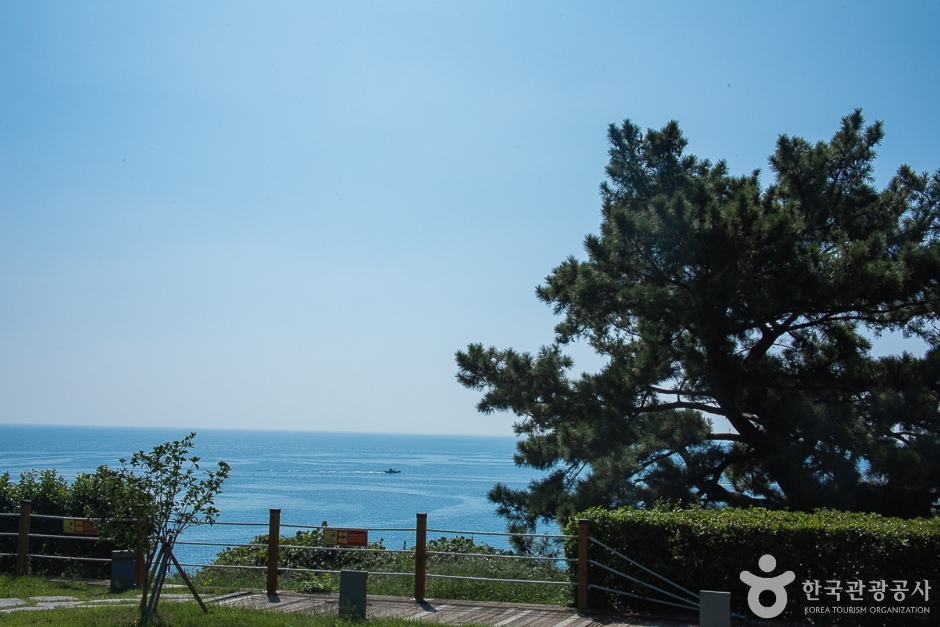
Qin Shi Huang, the emperor who first unified China, is said to have dreamed of living forever without aging. To fulfill that dream, he is said to have ordered his subject to find the elixir of immortality, and the one who took on that order is said to have been Seobok. Seobok is said to have crossed a vast sea in search of the elixir, arriving all the way here on Jeju. These days you could fly here in no time, but imagining that journey being made by sea in ancient times gives a sense of just how distant and daunting the trip must have been.
Hearing the legend that someone crossed this vast sea just to find a single elixir, I feel like I get a small sense of just how desperately people back then wished for a long life.
— 🍊 GYULIThe Characters Said to Be Carved Into the Rock at Jeongbang Falls, and the Name Seogwipo
Seobok is said to have finally obtained the elixir of immortality at Yeongju-san. Yeongju-san is known as one of the old names once used for Hallasan. Having gotten hold of the elixir, Seobok is said to have then headed to Jeongbang Falls, off the coast of Seogwipo. There, he is said to have carved characters into the rock face reading 'Seobok passed through this place.' If this story is true, Jeongbang Falls would be a place where an actual trace of the legendary Seobok still remains.
After carving those characters, Seobok is said to have then returned west — that is, in the direction of China. What's interesting is that this is also where a story about the origin of the name Seogwipo is said to come from. There's a story that the name Seogwipo comes from the meaning 'a port that returned to the west,' though it's hard to say for certain whether this is true. Still, knowing this story makes the name Seogwipo feel that much more special.
Designated Under a National Development Project, All the Way to Opening Its Doors
Seobok Exhibition Hall is said to have begun development on February 27, 1999, when it was designated under a national development project for seven major culture and tourism zones, led by the then Ministry of Culture and Tourism. After several years of preparation, it's said to have officially opened its doors on September 26, 2003. Bringing a legend to life as an actual exhibition space is said to have taken quite a bit of time and care.
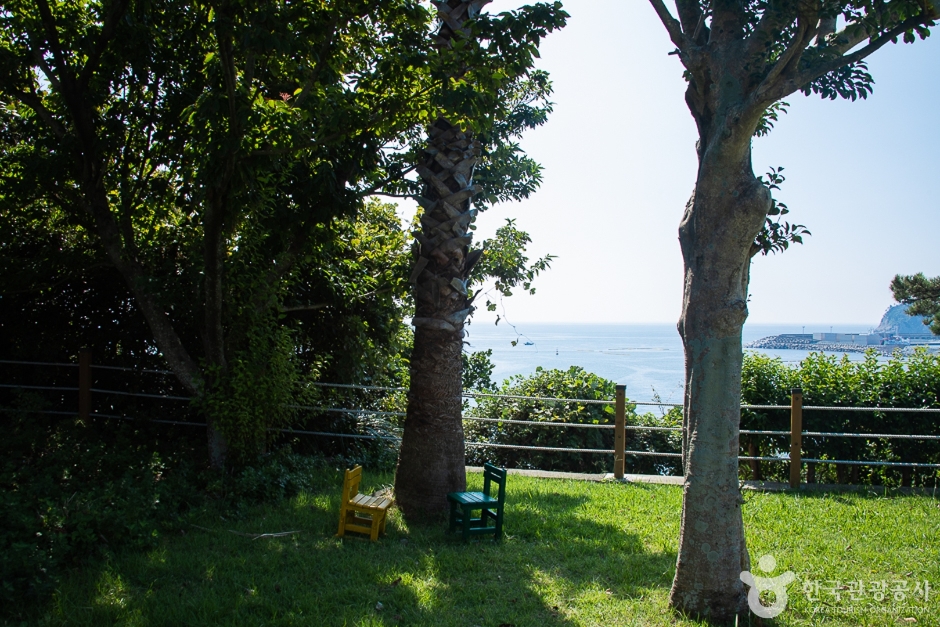
GYULI's Tip · There isn't much confirmed information about Seobok Exhibition Hall's exact admission fee or operating hours, so I'd rather not state anything definite here. Before visiting, it's recommended to check the operating hours by phone or through an official channel. The address is 156-8 Chilsimni-ro, Seogwipo-si, so searching that exact address in your navigation app should get you there without any trouble.