Haven't Tried Jeju's Abalone Dishes? One Bowl of That Broth Tells You Everything
turn the broth deep green
Talk about Jeju's sea long enough, and the conversation naturally drifts to abalone, the very thing that comes up from the fingertips of the haenyeo grandmothers. We once told you about haenyeo culture with a focus on the labor of diving itself, but today we want to talk about what happens after, the dish that abalone becomes once it reaches the table. In Jeju, quite a few restaurants are said to use abalone gathered by haenyeo divers themselves. The same abalone wears two very different faces depending on whether it ends up in a hot pot or a stone pot. Simmered into broth, it turns deeply savory; steamed into rice, it lets a subtle ocean aroma soak into every grain. If you've only known the name so far, this is a good chance to walk through why abalone dishes are considered so special on Jeju.
Abalone Hot Pot, Where Even the Broth Color Is Different
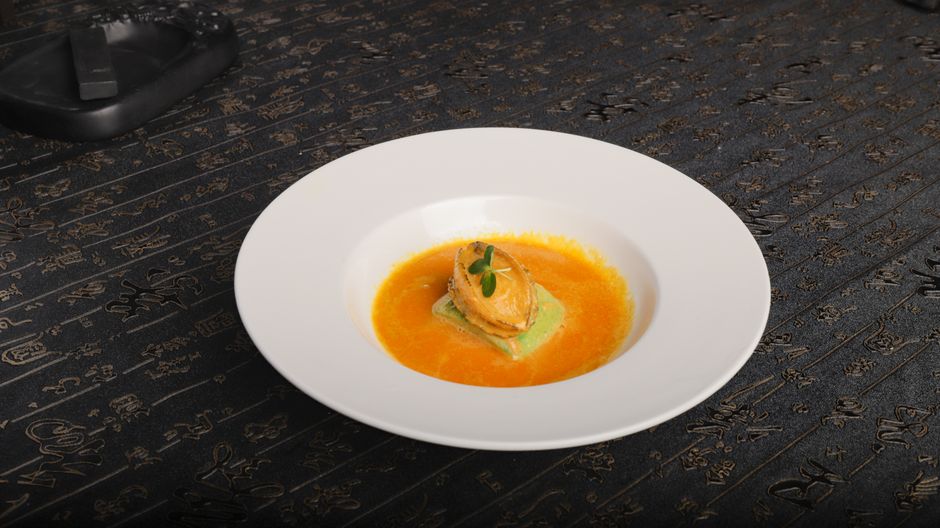
Abalone hot pot is said to be made by simmering not just the cleaned abalone meat but its innards as well. Adding the innards, often called the abalone's 'liver,' is said to turn the broth a faint green, and the deeper that color, the more generously the innards were used, according to many. The innards are said to carry a distinctly bittersweet, savory flavor that deepens the umami of the whole broth. First-timers can find that green-tinted broth a little unfamiliar at first glance, but plenty of reviews say one spoonful is enough to put that hesitation to rest.
Inside the hot pot, the abalone meat is said to soften as it simmers alongside garlic and vegetables. Simmer it too long, though, and it can turn tough instead, so managing heat and timing is said to matter, which is part of why abalone hot pot is considered a labor-intensive dish. It's often brought to the table still bubbling in its earthenware pot, and plenty of people say just the sound of it simmering and the steam rising off it is enough to work up an appetite.
Abalone is said to give off its real aroma not when it comes out of the sea, but when it's simmering in the pot.
— 🍊 GYULIAbalone Stone-Pot Rice, Where the Sea Soaks Into Every Grain
Abalone stone-pot rice is said to be made by finely chopping cleaned abalone and cooking it together with rice in a hot stone pot. Some places are said to lightly stir-fry the abalone innards in sesame oil before adding them in, and cooked this way, a faint green tint and ocean aroma are said to soak into every grain of rice. The moment the lid comes off, the scent of sesame oil mingling with abalone is often said to set the first impression of the whole dish.
The appeal of stone-pot rice is said to continue even after the meal itself is finished. Pour water into the pot to loosen the crispy scorched rice stuck to the bottom, and it's said to turn into a savory scorched-rice tea, sungnyung — some say you haven't truly enjoyed abalone stone-pot rice until you've had that last bowl too. Mixing the accompanying seasoned sauce into the rice is also said to be a favorite way to eat it, with the salty seasoning said to bring out the abalone's own clean flavor even more.
The Story of Abalone Gathered by Haenyeo Themselves
Jeju is said to have a number of restaurants that use abalone gathered directly by haenyeo divers. Compared to farmed abalone, wild abalone is said to vary more in size, with each one differing slightly in firmness and aroma, and that very unevenness is said to be part of what makes wild abalone appealing. That said, not every abalone dish can be assumed to be wild abalone caught by a haenyeo, since the source can vary from place to place, so if you're curious, it's said to be worth simply asking staff when you order.
The price of an abalone dish is said to shift with the season, abalone market prices, and each restaurant's own circumstances, so it doesn't feel right to state an exact figure here. Still, since abalone is considered a prized ingredient even within Jeju, many say it's worth being a little more prepared for the cost than with other dishes. If you get the chance to try abalone cooking during a Jeju trip, it's worth slowly savoring both a spoonful of that green-tinted hot pot broth and a bowl of scorched-rice tea from the stone pot.

GYULI's Tip · Abalone hot pot and abalone stone-pot rice are often served piping hot, so it's said to help to let the first spoonful or two cool a little before digging in. With stone-pot rice, saving room for the scorched-rice tea at the end is said to make for the fullest way to enjoy it.