Saebyeol Oreum, Where Silver Grass Turns to Fire
Talk about Jeju's oreum long enough and you'll notice certain ones come up especially often depending on the season. In spring, oreum paired with canola blossoms get mentioned; in summer, ones with deep green slopes. But in the stretch from autumn into winter, one name is said to come up more than most: Saebyeol Oreum. Located, it's said, in Bongseong-ri, Aewol-eup, Jeju City, this oreum is said to stand out for having two very different faces compared to other oreum. One is the silver wave of eulalia grass (억새) that's said to fill its ridge in autumn. The other is the fire festival said to blanket the entire hill in flame come winter. Today I want to slowly unpack the story of this two-faced oreum, without pinning down the festival's exact dates or scale, but by tracing why it's talked about the way it is.
An oreum that shines even in its name
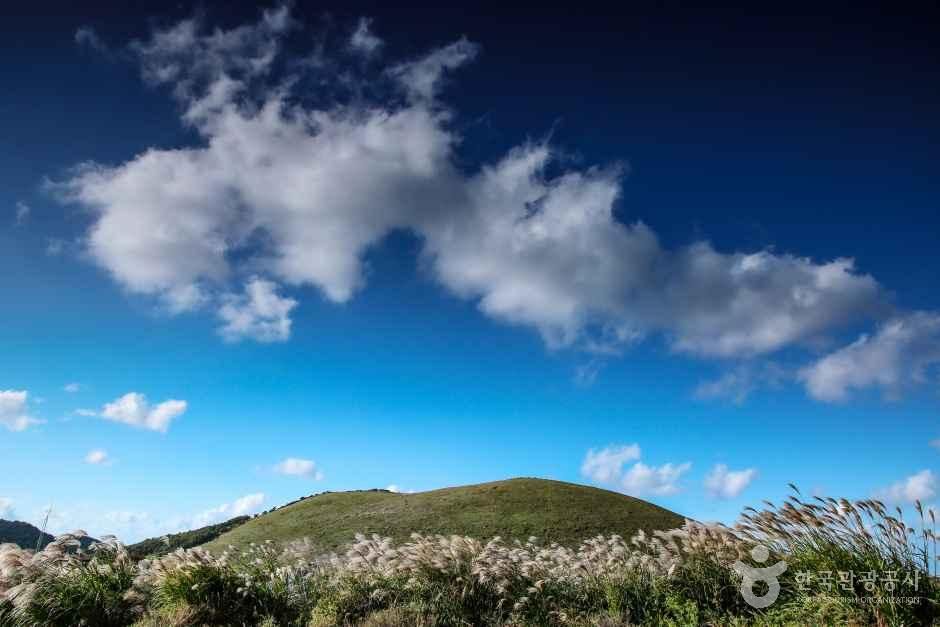
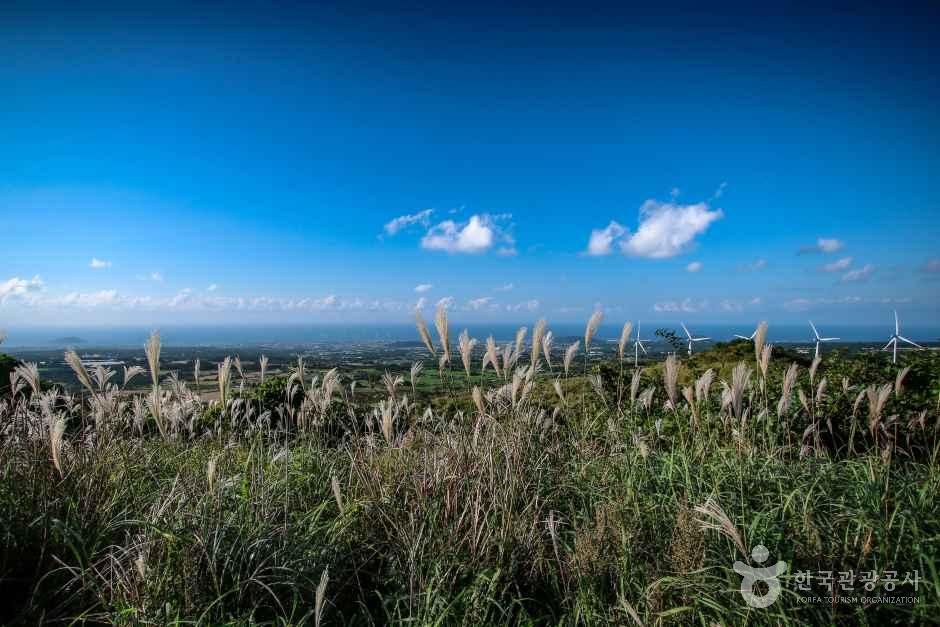
The name Saebyeol Oreum is said to come from its shape, said to resemble a lone morning star shining by itself in the evening sky. It's said to sit near Bongseong-ri in Aewol-eup and the area around Isidore Ranch, and because the path to the summit is often described as fairly gentle with a round trip that doesn't take too long, it's frequently mentioned as a good pick even for people climbing an oreum for the first time in Jeju. Unlike other oreum that are talked about for their distinctive terrain or crater shape, Saebyeol Oreum's biggest draw is said to be its gently rolling ridge and the wide open view in every direction. From the summit, Hallasan, the surrounding oreum, and even the sea off Aewol are said to come into view all at once, which makes it feel natural that this spot is considered a good place to take in Jeju's landscape at a glance.
In autumn, the whole ridge is said to be covered in silver grass
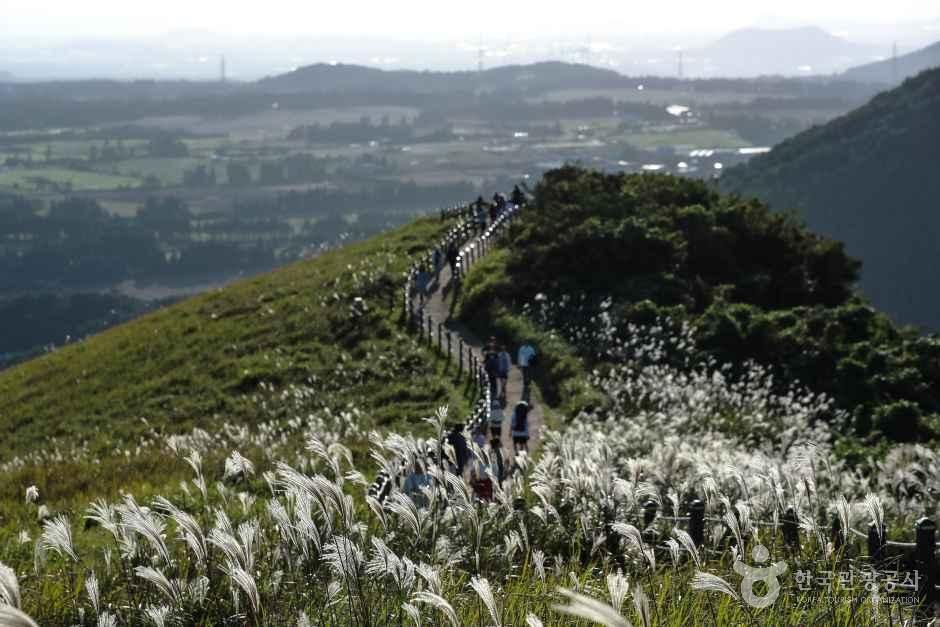
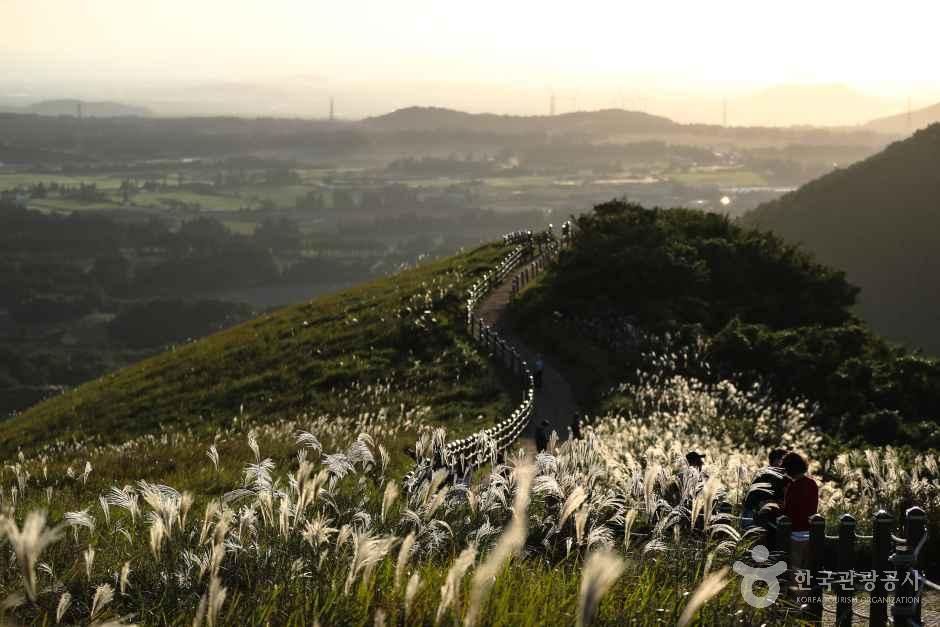
No story about Saebyeol Oreum leaves out the silver grass. As autumn deepens, the entire ridge of this oreum is said to be covered in eulalia grass, rippling like a silver wave every time the wind blows. Unlike other silver grass spots where a dedicated field has been planted in one section, Saebyeol Oreum is said to be different in that the grass spreads naturally along the oreum's own ridgeline. That's said to create a scene where the curve of the hill and the texture of the grass come together, and a lot of people say the moment when sunset light settles over the grass is especially striking. Exactly when the grass hits its peak seems to be told a little differently depending on that year's weather and blooming conditions, so I'll be careful not to pin down a specific window here. What does seem to come up consistently, though, is that the silver grass is the first thing people mention when asked why they visit Saebyeol Oreum in autumn.
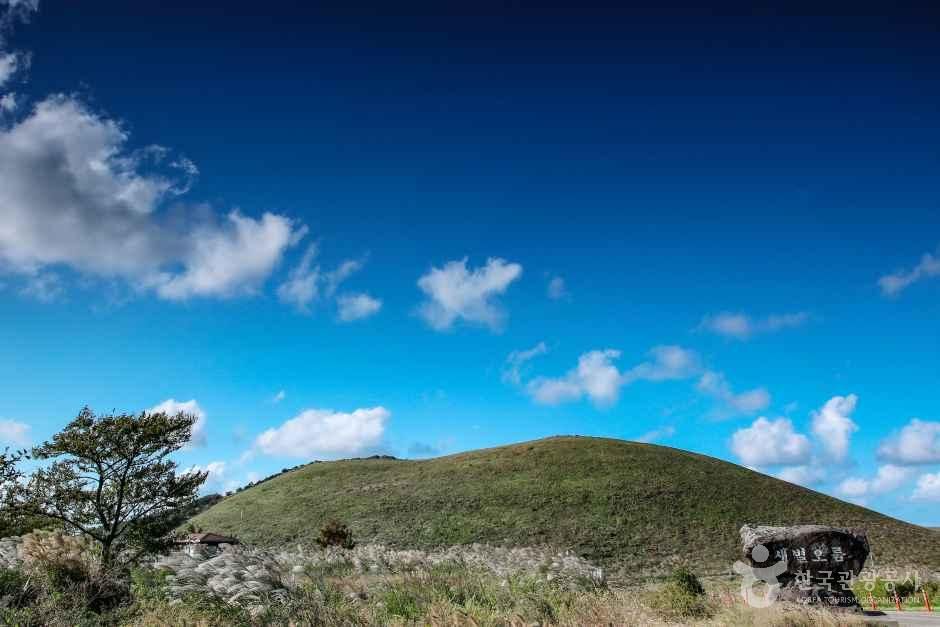
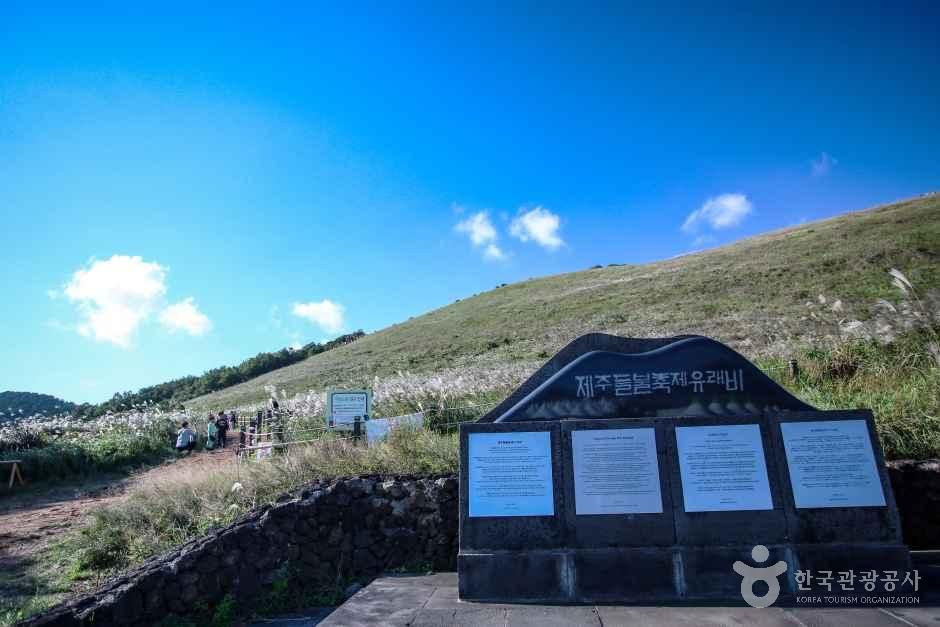
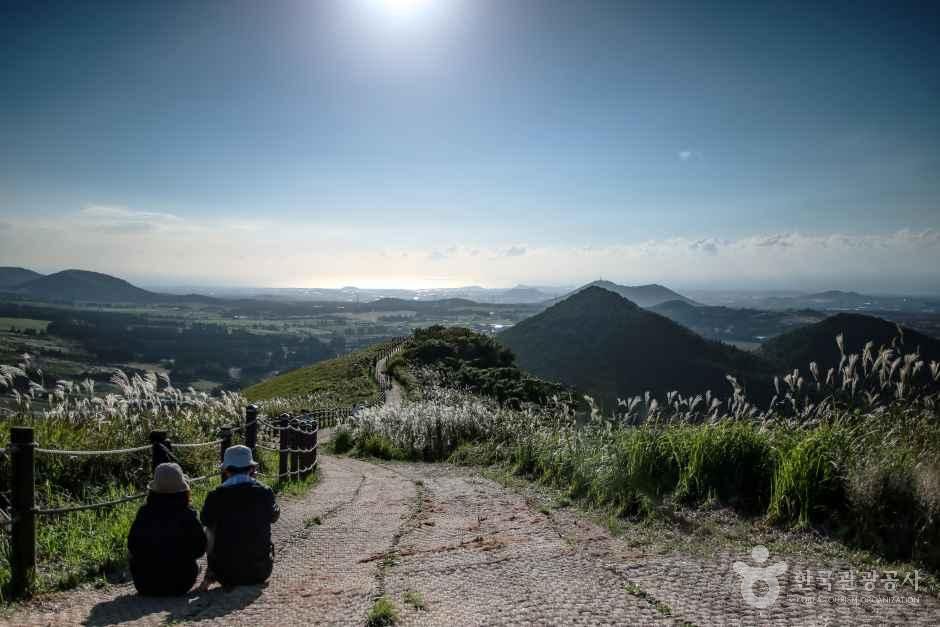
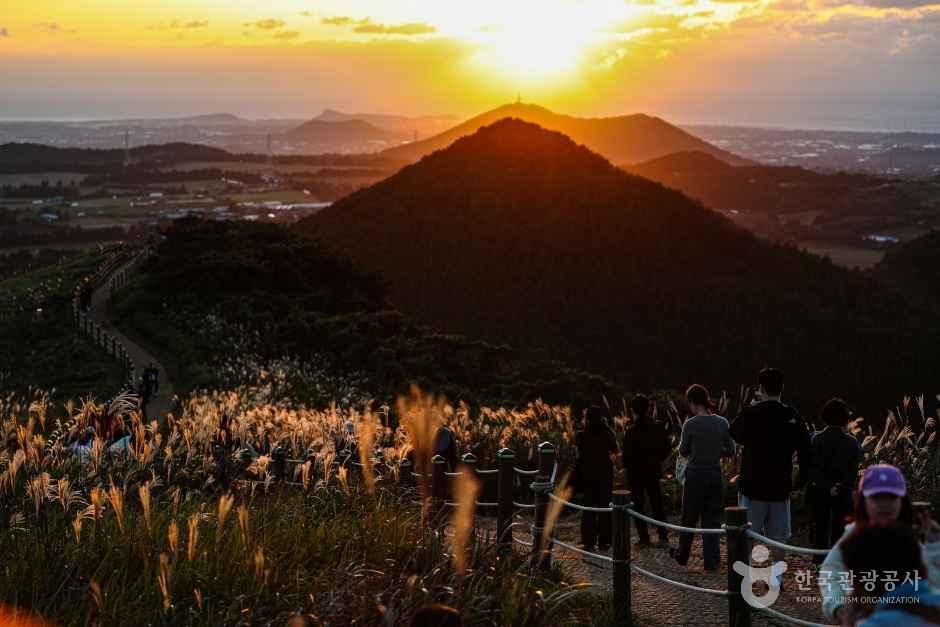
A ridge that was green all summer turning silver in autumn — it's strange how it feels like an entirely different face of the same oreum.
— 🍊 GYULIIn winter, the whole oreum is said to turn into fire
It would be a shame to remember Saebyeol Oreum only as an autumn silver-grass oreum, because what's said about it in winter is just as striking. Around the Lunar New Year's first full moon each year, an event called the Jeju Fire Festival is said to be held here, and its highlight is said to be a moment when fire is set across the entire oreum. In the dark of night, flames spreading along the ridge and turning the whole hill red is often introduced as the image that symbolizes this festival. It's said that long ago in Jeju, people used to burn off the dry grass left on pastureland before spring arrived, to clear pests and help new grass grow well the following year, and this traditional practice is said to be the origin that the current festival draws on. That said, the exact dates, visitor numbers, and how the event is run are said to vary somewhat from year to year, so I won't pin down specific figures or dates here. If you're planning a visit, it's worth checking that year's official schedule separately.
Hearing this, I found it fascinating that a single oreum could stay in people's memory in such different ways depending on the season. A place you climb in autumn to watch grass sway in the wind becomes, in winter, a place people gather to watch flames spread — the same ridge wearing a completely different expression each season. And knowing that the fire wasn't created just as a spectacle, but is said to trace back to a herding practice passed down for generations, made me feel like even a single festival carries the time Jeju's people have spent living alongside this land.
What two faces — grass and fire — seem to say
If Yongnuni Oreum is remembered for one soft ridgeline, Saebyeol Oreum feels different in texture, showing an entirely different expression each season. The same ridge shimmering silver in autumn and burning red in winter makes it hard to say you've fully seen this oreum after just one visit. Once I learned that a single oreum could hold such different stories across seasons, I found myself wanting to visit Jeju more than once, timed to different seasons, rather than trying to fit it all into one trip. Saebyeol Oreum in autumn with grass rippling in the wind, and Saebyeol Oreum in winter with flame spreading across it — it's striking that both are stories about the same oreum, yet told as such different scenes.
Getting to know Saebyeol Oreum, in the end, seems to mean getting to know the two seasons it holds together. If you visit in autumn, picture the ridge full of silver grass swaying in the wind. If you visit in winter, picture flames spreading through the dark and coloring the hill red. Standing in the same spot, you'll meet a completely different Saebyeol Oreum depending on when you go.
GYULI's Tip · The silver grass's peak timing is said to shift a bit depending on that year's weather, and the Fire Festival's exact schedule and scale are also said to vary from year to year. If you're planning a visit, it's worth checking that year's official announcement in advance.